Case Study: Successful Vehicle Recovery Operations in Southampton
Introduction to Vehicle Recovery Operations
In the bustling city of Southampton, vehicle recovery operations play a crucial role in maintaining the smooth flow of traffic and ensuring road safety. These operations involve the removal of broken-down or accident-damaged vehicles from roads, helping to prevent congestion and further accidents. The success of vehicle recovery operations in Southampton can be attributed to a combination of efficient planning, advanced technology, and skilled personnel.
Challenges in Vehicle Recovery
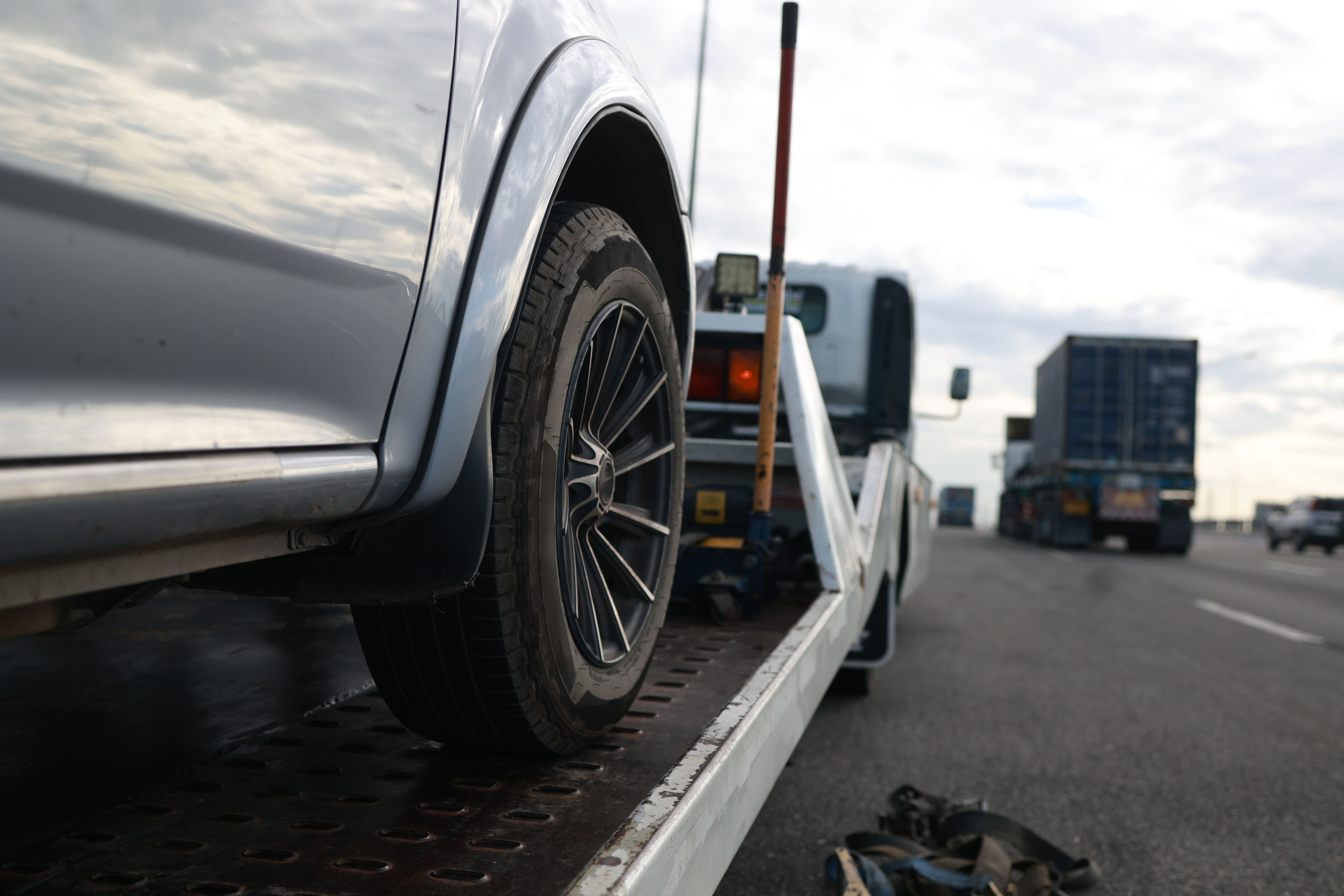
Vehicle recovery operations face numerous challenges, including traffic congestion, adverse weather conditions, and varied terrain. Southampton's coastal location adds another layer of complexity, with sudden weather changes impacting recovery efforts. Additionally, dealing with a diverse range of vehicles, from compact cars to large trucks, requires specialized equipment and expertise.
Operators must be prepared to navigate these challenges swiftly and efficiently. This involves strategic planning and the ability to adapt to the dynamic conditions of the city's roads. The coordination between different teams, including local authorities and emergency services, is also essential for seamless operations.
Key Strategies for Success
The success of vehicle recovery in Southampton is largely due to the implementation of key strategies:
- Advanced Training: Recovery personnel undergo rigorous training to handle various types of vehicles and situations.
- State-of-the-Art Equipment: Utilizing modern tools and equipment ensures quick and safe vehicle removal.
- Efficient Communication: Real-time communication systems allow for rapid response and coordination with other services.
Technology in Vehicle Recovery
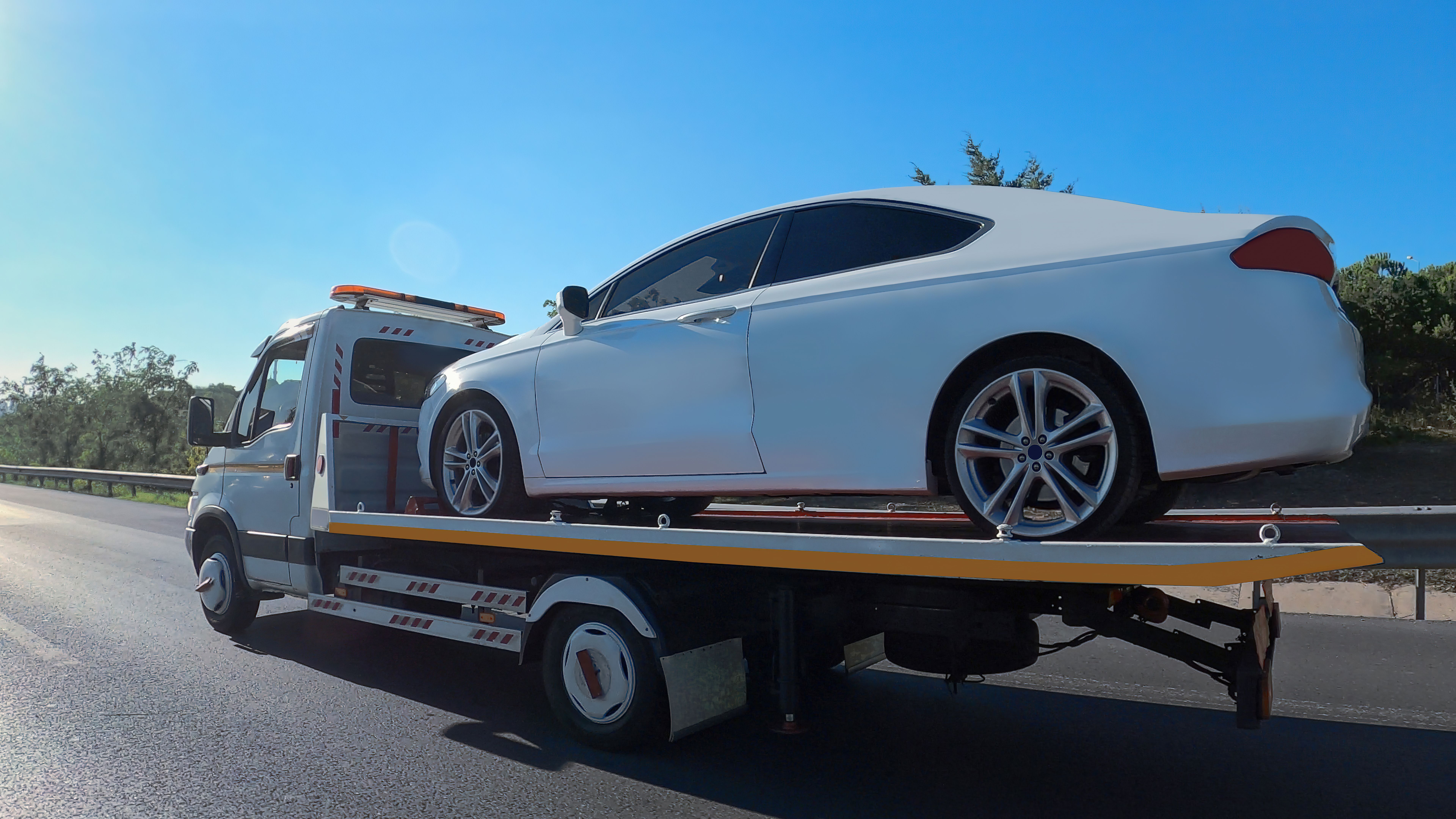
Technology plays a pivotal role in enhancing the efficiency of vehicle recovery operations. GPS tracking systems enable operators to locate and reach vehicles swiftly, reducing response times. Moreover, advanced diagnostic tools help identify vehicle issues on-site, allowing for quicker resolutions.
Digital platforms also facilitate better communication and coordination. These platforms provide real-time updates and data sharing among recovery teams and local authorities, ensuring that operations run smoothly and efficiently.
Case Study: A Day in Vehicle Recovery
Let’s delve into a real-life scenario where these strategies and technologies were put to the test. On a busy weekday morning, a multi-vehicle collision occurred on a major highway in Southampton. The recovery team was alerted immediately and dispatched to the scene within minutes.

Thanks to their advanced training and state-of-the-art equipment, the team swiftly cleared the wreckage, ensuring minimal disruption to the morning commute. The use of real-time communication allowed them to coordinate with traffic management, redirecting vehicles and preventing further congestion.
Results and Impact
The successful resolution of this incident highlights the effectiveness of Southampton's vehicle recovery operations. By minimizing road closures and ensuring the quick removal of vehicles, the team not only restored traffic flow but also prevented secondary accidents. This case exemplifies the importance of preparation, technology, and teamwork in managing road incidents.
The impact extends beyond immediate traffic management. Efficient vehicle recovery operations contribute to overall road safety and public confidence. As Southampton continues to grow, such operations will remain vital in supporting the city's infrastructure and ensuring road safety for all users.