Expert Insights: Ensuring Smooth Fleet Operations Across Europe
Managing fleet operations across Europe presents a unique set of challenges. With diverse regulations, road conditions, and cultural differences, ensuring smooth operations requires strategic planning and expert insight. This blog post delves into the key strategies for maintaining effective fleet operations in this complex region.
Understanding Regional Regulations
One of the primary challenges in European fleet management is navigating the various regulations across countries. From emission standards to driver working hours, compliance is crucial. Staying informed about these regulations is essential to avoid penalties and ensure the safety of drivers and vehicles.
Regular training for drivers and fleet managers can help keep everyone updated on the latest regulatory changes. Collaborating with local experts can also provide valuable insights into regional requirements and best practices.
Optimizing Route Planning
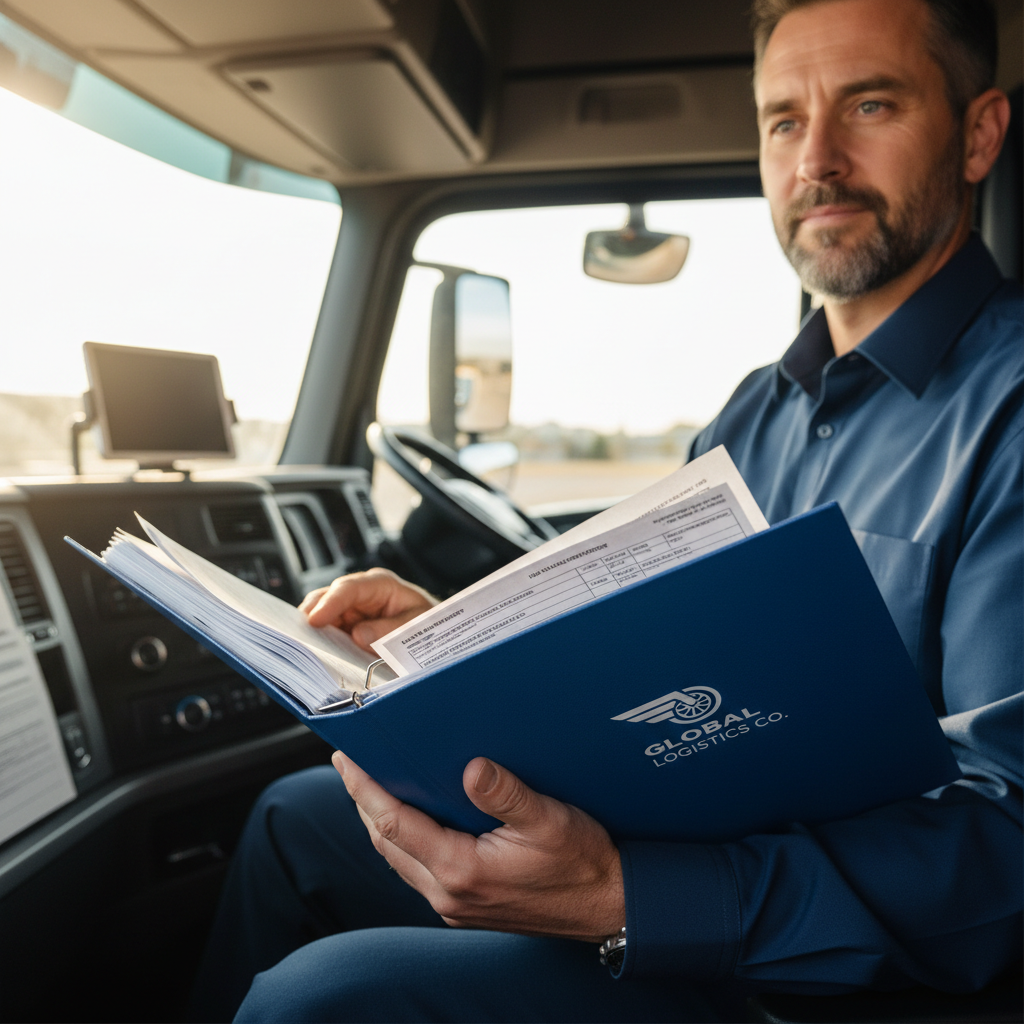
Effective route planning is vital for maximizing efficiency and reducing operational costs. Europe's diverse geography and infrastructure mean that a one-size-fits-all approach won't work. Utilizing advanced GPS and route optimization software can help identify the most efficient routes, considering factors like traffic, weather, and road conditions.
Implementing real-time tracking allows fleet managers to make informed decisions and adjustments as needed. This not only improves delivery times but also enhances customer satisfaction.
Leveraging Technology for Fleet Maintenance
Maintaining a fleet in top condition is essential for smooth operations. Implementing predictive maintenance technologies can help identify potential issues before they become major problems. This proactive approach reduces downtime and extends the lifespan of vehicles.
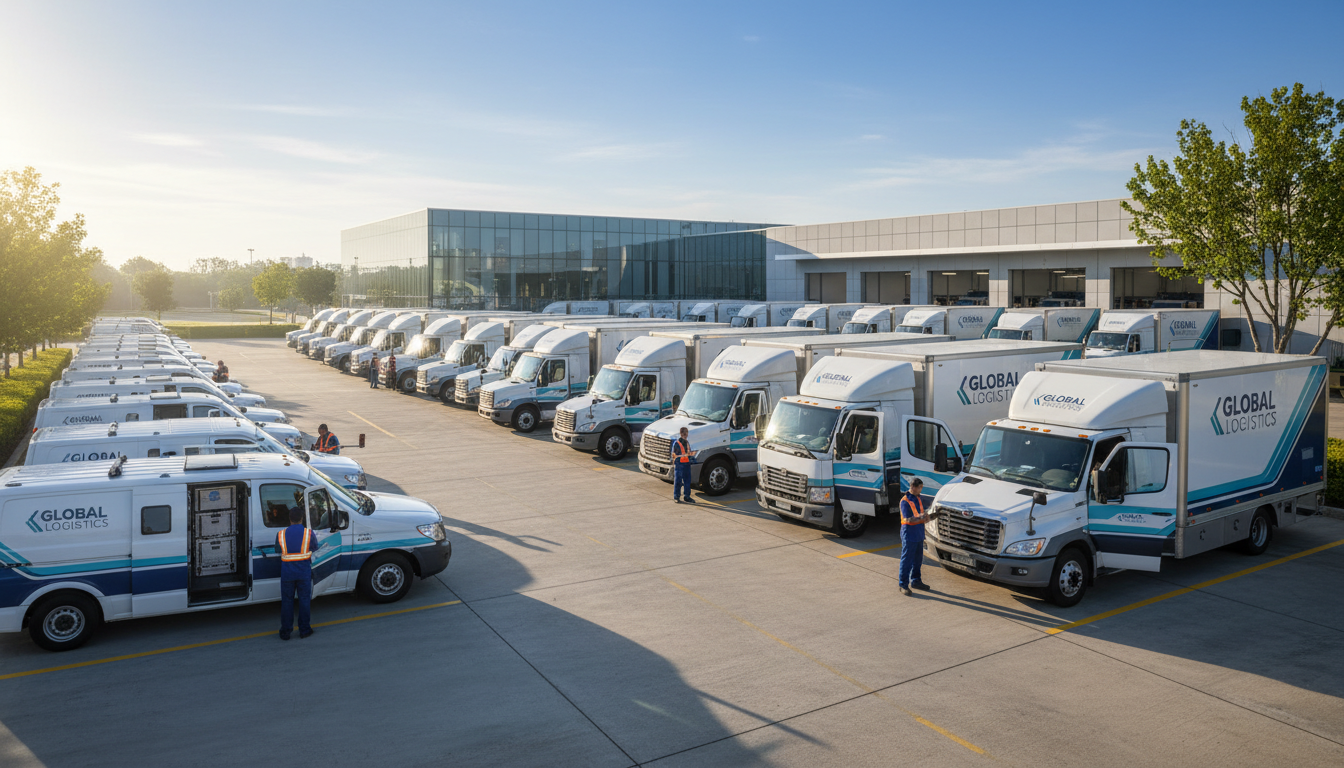
Fleet management software can also track maintenance schedules, ensuring that all vehicles receive timely servicing. This not only optimizes performance but also ensures compliance with safety standards.
Enhancing Driver Training and Safety
Driver safety is a top priority for fleet operations. Providing comprehensive training programs can significantly reduce accidents and improve overall efficiency. Focus areas should include defensive driving techniques, fatigue management, and adherence to local traffic laws.
Regular assessments and feedback sessions can help maintain high safety standards and identify areas for improvement. Encouraging open communication between drivers and management fosters a culture of safety and responsibility.

Adapting to Cultural Differences
Cultural differences across Europe can impact fleet operations, particularly in communication and customer interactions. Understanding these cultural nuances is crucial for building strong relationships with clients and partners.
Providing cultural sensitivity training for staff can improve interactions and lead to more successful business outcomes. Emphasizing the importance of adaptability and respect can also enhance the company’s reputation across the region.
Conclusion
Ensuring smooth fleet operations across Europe requires a multifaceted approach, incorporating regulatory compliance, technological advancements, and cultural understanding. By leveraging expert insights and strategic planning, companies can overcome challenges and achieve operational excellence.
Investing in these areas not only ensures smooth operations but also positions the company for growth and success in the competitive European market.