Seasonal Tips for Safe and Efficient Vehicle Recovery During Winter
Winter conditions can be challenging for drivers and recovery professionals alike. Snow, ice, and freezing temperatures create a unique set of obstacles, making it crucial to be prepared for safe and efficient vehicle recovery. Here are some essential tips to help you navigate these conditions with confidence.
Prepare Your Vehicle for Winter Recovery
Before heading out for vehicle recovery, ensure your recovery vehicle is winter-ready. Check that your tires are suitable for icy conditions and have adequate tread depth. Also, verify that your battery is in good condition, as cold weather can reduce its efficiency.
Stock your recovery vehicle with essential winter supplies, including snow chains, a shovel, and an ice scraper. Having these tools on hand can make the recovery process smoother and safer.
Use the Right Equipment
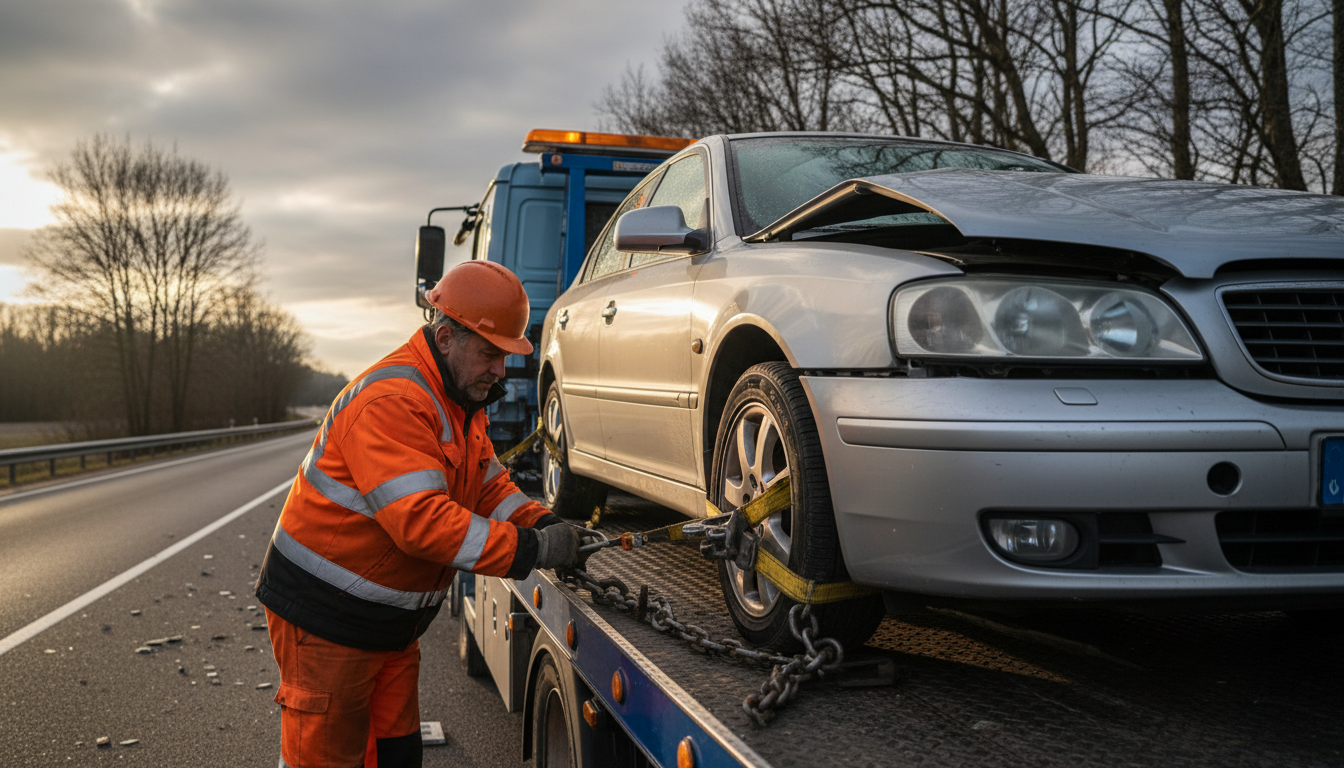
Having the appropriate recovery equipment is vital for winter conditions. Use tow ropes or winches that are rated for the weight of the vehicles you expect to recover. Also, consider using synthetic winch lines, which are less likely to snap in freezing conditions.
Additionally, carry extra blankets and traction aids, like sand or cat litter, to help gain traction on icy surfaces. These small additions can make a big difference in challenging recoveries.
Assess the Situation Carefully
Before beginning any recovery operation, assess the scene thoroughly. Look for hidden hazards such as black ice or deep snowdrifts. It’s important to approach each recovery with caution to avoid putting yourself or others in danger.
Communicate clearly with anyone involved in the recovery process. Make sure everyone understands their role and the plan to ensure a smooth operation. Clear communication is key to avoiding accidents and injuries.
Implement Safe Recovery Techniques
When performing a recovery, always anchor your vehicle securely. Use designated recovery points and avoid attaching to parts of the vehicle that could be damaged. Ensure that bystanders are at a safe distance, as tensioned ropes or cables can be hazardous if they snap.
When using a winch, apply steady pressure and avoid sudden jerks. This reduces the risk of breaking the winch line and ensures a controlled recovery. Remember to periodically stop and re-evaluate the situation as conditions can change rapidly.
Stay Informed About Weather Conditions
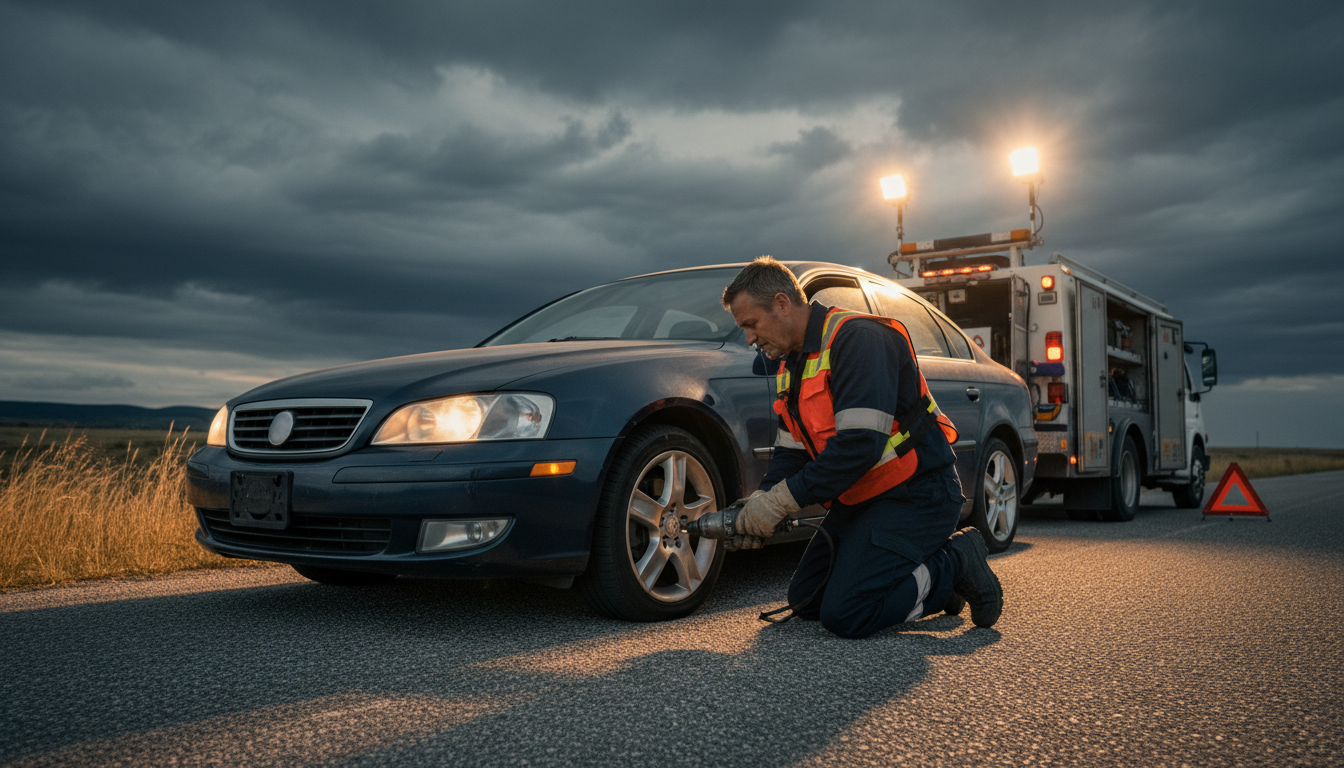
Always check weather forecasts before heading out for vehicle recovery. Being aware of incoming storms or rapidly dropping temperatures can help you prepare accordingly and avoid unnecessary risks.
Consider using weather apps or local radio stations for real-time updates. Staying informed allows you to adjust your plans and ensure the safety of everyone involved in the recovery operation.
Keep Safety a Priority
Throughout the recovery process, prioritize safety above all else. Wear appropriate winter clothing to protect against the cold and ensure visibility with high-visibility vests or reflective gear.
Finally, remember that no recovery is worth risking your life or the lives of others. If conditions become too dangerous, delay the recovery until it’s safe to proceed.