Seasonal Vehicle Transport: Preparing Your Car for Winter Challenges
As the winter season approaches, it's crucial to ensure your vehicle is ready to face the cold weather challenges. Preparing your car for winter not only enhances its performance but also ensures your safety on the road. Here’s a comprehensive guide to help you get started.
Inspecting Your Tires
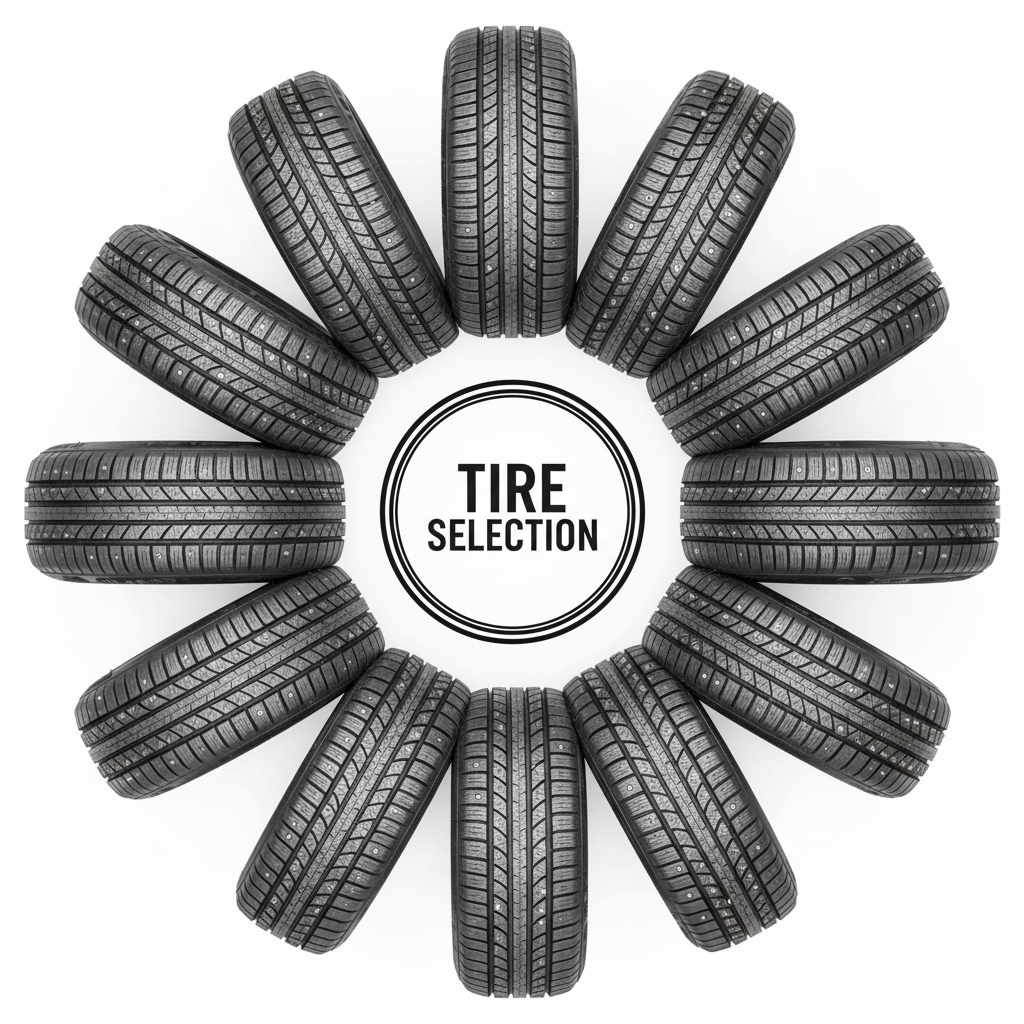
One of the first steps in preparing your vehicle for winter is to inspect your tires. Cold temperatures can cause tire pressure to drop, which may affect traction on icy roads. It's important to check tire pressure regularly and ensure it meets the manufacturer's recommendations.
Consider switching to winter tires for better grip. Winter tires are made with a special rubber compound that remains flexible in low temperatures, providing improved traction on snow and ice.
Checking Your Battery
The last thing you want is a dead battery in freezing temperatures. Cold weather can reduce a battery's power, making it harder for your engine to start. Have your battery tested to ensure it has enough charge and is in good condition.
If necessary, replace an old or weak battery before winter sets in. This simple step can save you a lot of hassle and ensure your car starts smoothly throughout the season.
Fluids and Oils
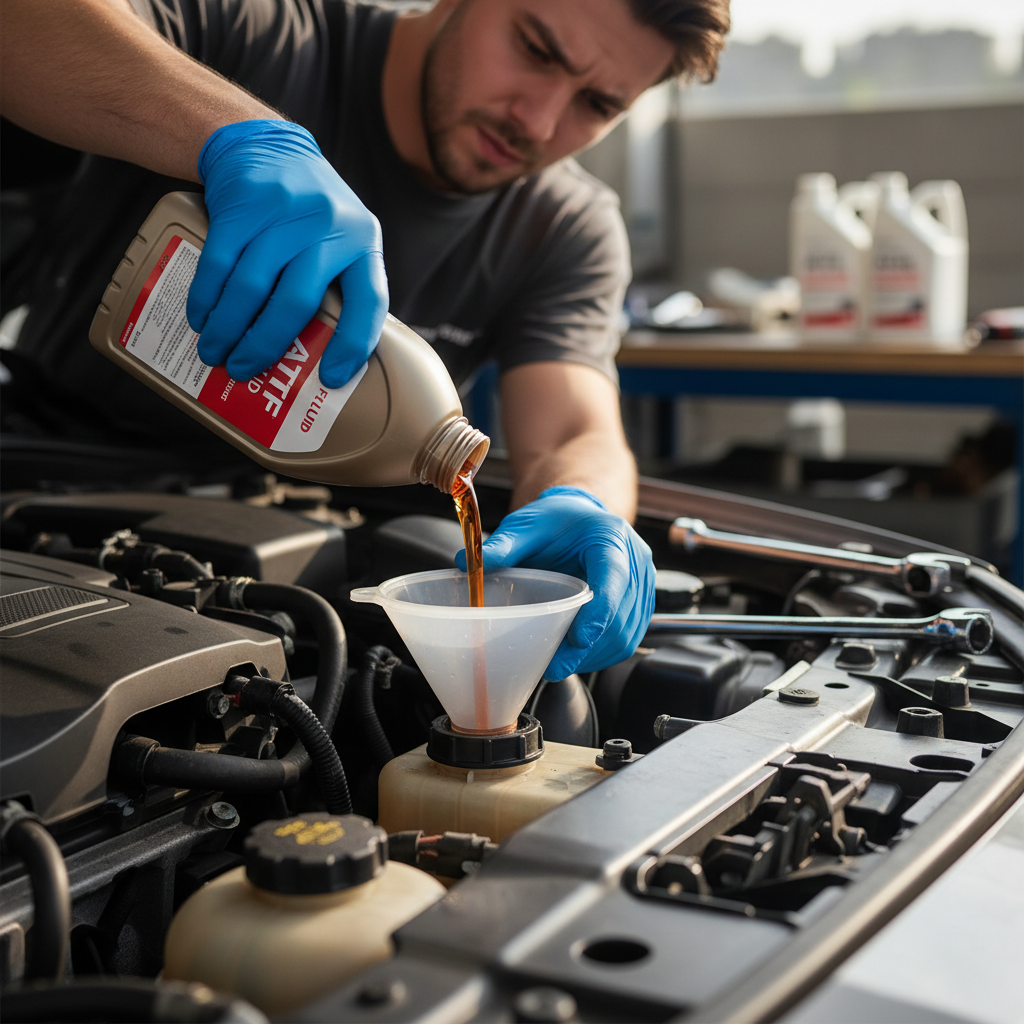
Cold temperatures can thicken your car’s fluids, affecting performance. Check and replace your engine oil with a winter-grade oil if necessary. This type of oil is designed to flow more easily in cold temperatures.
Don’t forget to check the antifreeze levels in your radiator. Antifreeze prevents the engine coolant from freezing, which can cause severe engine damage. Ensure your windshield wiper fluid is also rated for low temperatures to avoid freezing on the glass.
Ensuring Clear Visibility
Visibility is often compromised during winter due to snow, ice, and fog. Replace worn wiper blades with winter blades designed to handle heavy snow and ice buildup. This will help keep your windshield clean and clear.
Ensure that all exterior lights are functioning properly. Clean any dirt or grime off the lights to maximize visibility during snowstorms or foggy conditions.
Emergency Kit Essentials
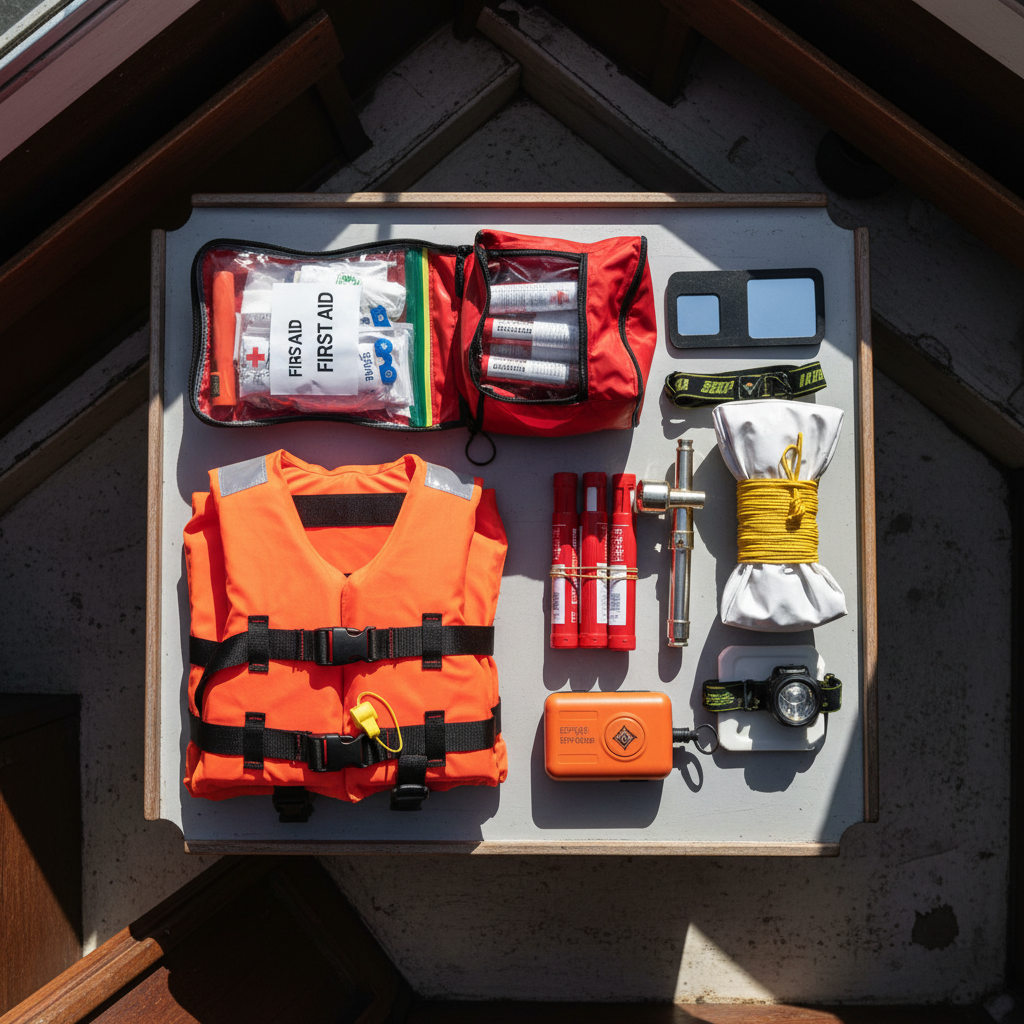
Being prepared for an emergency is vital during winter travel. Equip your car with an emergency kit that includes items such as:
- Blankets and warm clothing
- Non-perishable snacks and water
- Flashlight and extra batteries
- Ice scraper and snow shovel
- First aid kit
These items can be lifesavers if you get stuck in a snowstorm or face unexpected delays.
Regular Maintenance Checks
Regular maintenance is crucial to keep your car running smoothly throughout the winter. Schedule a comprehensive check-up with a trusted mechanic to inspect brakes, belts, hoses, and the exhaust system.
Addressing any potential issues before winter can prevent breakdowns and costly repairs. A well-maintained vehicle is more reliable and safer in harsh winter conditions.
By following these steps, you can ensure your vehicle is well-prepared for winter challenges. Not only will this enhance your car's performance, but it will also provide peace of mind knowing you're ready for whatever winter throws your way.