Understanding the Legal Requirements for Vehicle Recovery Services in England
Vehicle recovery services play a crucial role in maintaining road safety and efficiency across England. Whether you're an independent operator or part of a larger organization, understanding the legal requirements surrounding these services is essential. This guide will help you navigate the necessary regulations and ensure compliance.
Licensing and Registration
The first step in setting up a vehicle recovery service is obtaining the appropriate licenses. In England, operators must register with the Driver and Vehicle Standards Agency (DVSA). This involves meeting specific criteria, including vehicle standards and operational procedures. Ensuring that your vehicles are roadworthy and meet environmental standards is a critical component of this process.
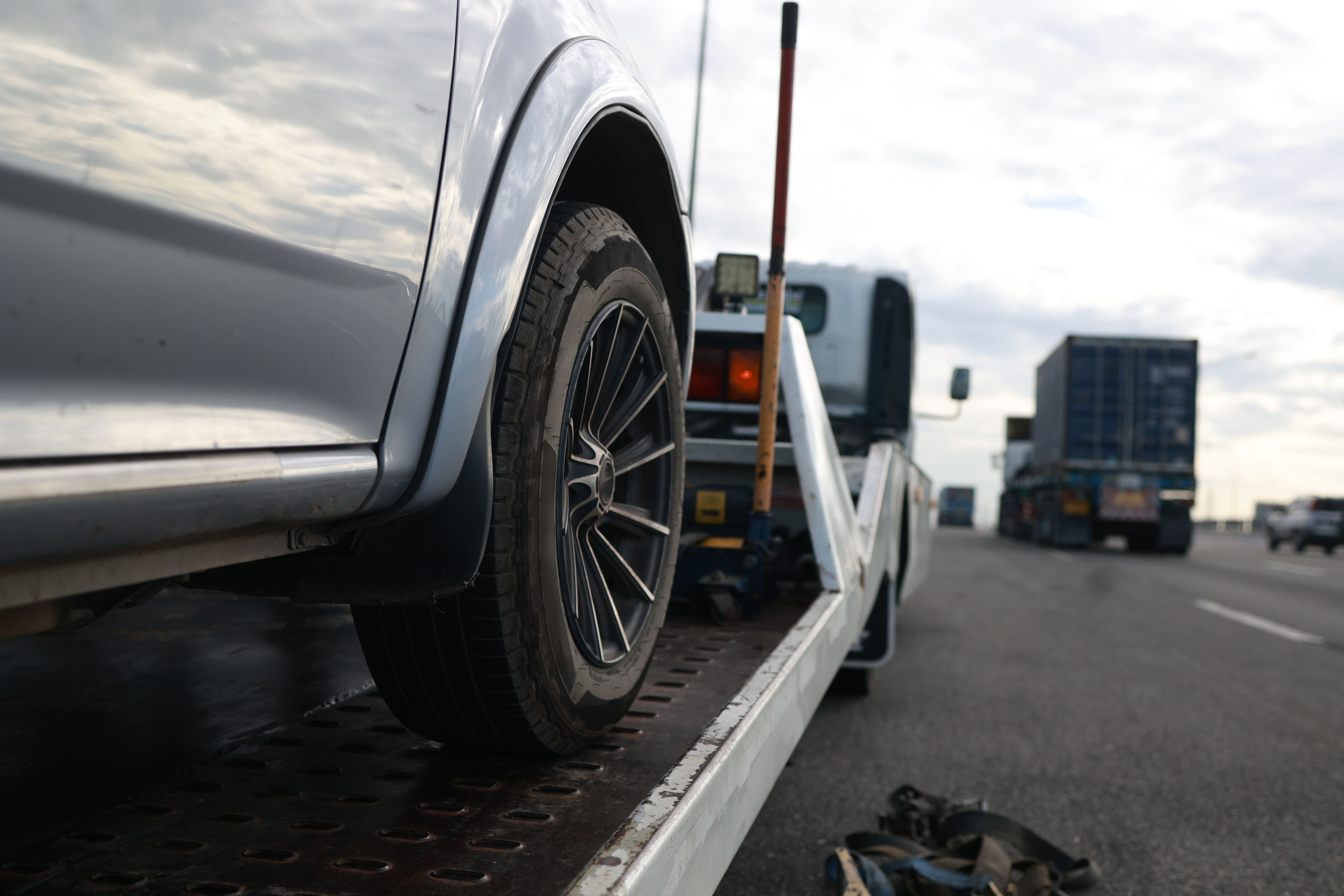
Additionally, drivers must hold the correct category of driving license. For larger recovery vehicles, a category C or C1 license may be required. It's important to keep up-to-date with any changes in licensing requirements to avoid potential legal issues.
Insurance Requirements
Another vital aspect of running a vehicle recovery service is securing the right insurance. This typically includes public liability insurance, employer’s liability insurance, and motor insurance for your fleet. Public liability insurance protects against claims from third parties, while employer’s liability insurance is a legal requirement if you have staff.
Having comprehensive motor insurance is also necessary to cover any potential damage to vehicles during recovery operations. Consult with insurance professionals to tailor a policy to your specific needs.
Health and Safety Regulations
Ensuring the safety of both your employees and the public is paramount. Vehicle recovery operators must adhere to strict health and safety regulations. This includes conducting regular risk assessments and providing adequate training and equipment for staff.
Operators should have robust procedures in place for dealing with emergencies and unexpected situations. This not only protects your team but also builds trust with your clients by demonstrating professionalism and care.
Compliance with Environmental Standards
Environmental considerations are increasingly important in vehicle recovery operations. Services must comply with regulations regarding emissions and waste disposal. This means ensuring that your vehicles are well-maintained and any waste, such as oil or damaged parts, is disposed of responsibly.
Investing in eco-friendly vehicles and practices can also enhance your business's reputation and appeal to environmentally conscious clients.

Conclusion
Understanding and adhering to the legal requirements for vehicle recovery services in England is essential for the smooth operation of your business. From licensing and insurance to health and safety and environmental considerations, each aspect plays a vital role in ensuring compliance and building a successful operation.
By staying informed and proactive, you can avoid potential pitfalls and focus on providing reliable and professional services to your clients. Regularly reviewing regulations and seeking professional advice when necessary will keep your business on the right track.