Understanding the Vehicle Recovery Process: A Step-by-Step Guide
Introduction to Vehicle Recovery
Experiencing a vehicle breakdown or accident can be stressful, but understanding the vehicle recovery process can make the situation more manageable. This guide will walk you through each step, ensuring you're well-prepared if you ever find yourself in such a scenario.
Initial Assessment and Safety
The first step in the vehicle recovery process is to assess the situation. Ensure your safety and that of any passengers by moving to a safe location, if possible. It's crucial to turn on your hazard lights to alert other drivers and avoid further accidents.
Once in a safe location, evaluate the condition of your vehicle. Determine if it's safe to drive or if it needs professional recovery services. Remember, your safety is always the top priority.
Contacting a Recovery Service
If your vehicle cannot be driven safely, it’s time to contact a recovery service. Most insurance policies offer roadside assistance, so check your policy details for any included services. When calling for help, provide clear information about your location and the nature of the issue.

Understanding Your Options
When the recovery service arrives, they will assess the situation and provide you with options. Depending on the issue, your vehicle might be repaired on-site, towed to a nearby garage, or transported to a destination of your choice.
It's important to discuss any costs involved before agreeing to the service. Many recovery companies offer different packages, so choose one that suits your needs and budget.
The Towing Process
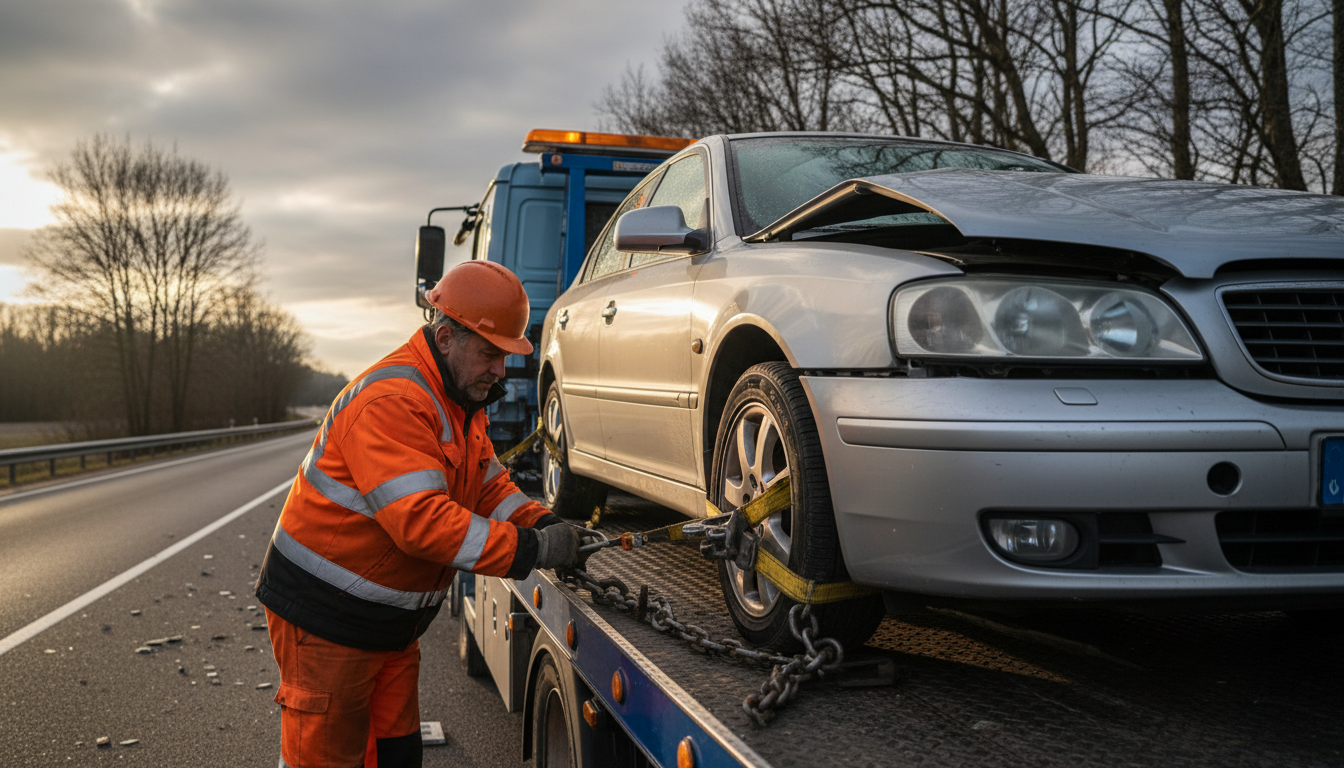
If your vehicle needs towing, the recovery team will secure it to a tow truck. There are different towing methods, such as flatbed towing or two-wheel towing. The choice depends on the type of vehicle and the nature of the problem.

Aftercare and Repair
Once your vehicle reaches the garage, the repair process can begin. The mechanics will conduct a thorough diagnosis to determine the necessary repairs. It's advisable to get a detailed quote and timeline before proceeding with any work.
While waiting for repairs, you might need alternative transportation. Check if your insurance policy covers rental cars or if the recovery service provides any temporary solutions.
Preventive Measures
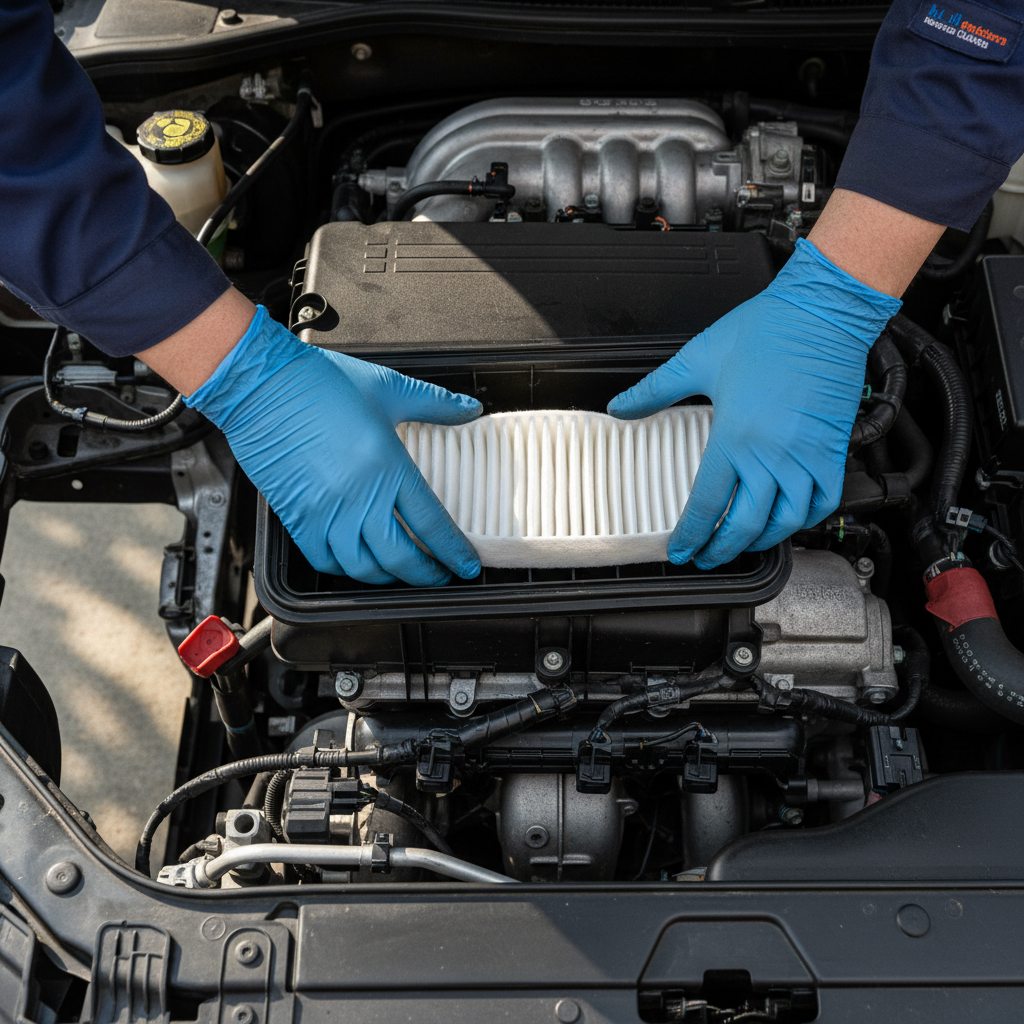
To minimize the chances of future breakdowns, regular vehicle maintenance is essential. Regularly check your vehicle’s oil, tires, and battery. Keeping up with scheduled servicing can prevent many common issues.
Conclusion
Understanding the vehicle recovery process can significantly reduce stress during unexpected breakdowns or accidents. By following these steps, you can ensure a smoother experience and get back on the road with confidence.